Friday Workshops and Field Trips
 Silver City is at 6,000 feet, yet temperatures can stay warm in September. Stay hydrated; higher altitude and temperature increase the risk of dehydration. Bring water for all excursions. Please bring a reusable water bottle: the conference center has a filling station. No single-use disposable water bottles will be provided. Hats are recommended. For hikes, participants should wear sturdy closed-toe hiking shoes or boots, consider bringing hiking poles and a raincoat, and snacks. No pets. Most field trips require car pooling; many locations have limited parking or require 4WD. Please take others, and passengers, please contribute gas money.

Two-day Workshops
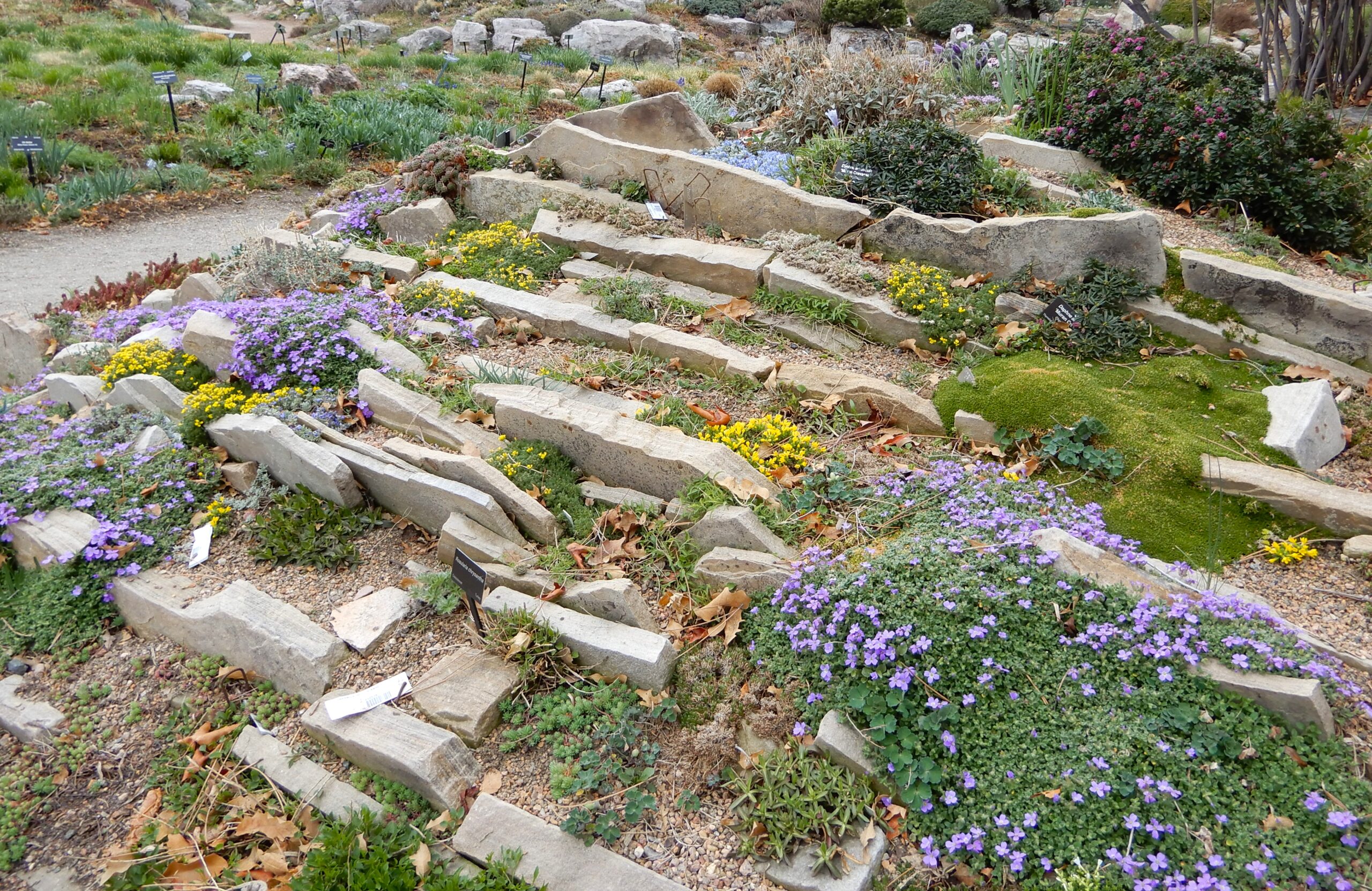 W 1 Creating Crevice Gardens. Leader: Mike Kintgen. On Friday, Mike will introduce participants to crevice gardening and showcase numerous examples of this technique. The group will then spend the rest of the day at the Silva Creek Botanical Garden, beginning the methodical process of planning and creating a crevice garden. Saturday’s session will be held entirely at the garden, working alongside Mike to move soil and stones using a wheelbarrow, a hand truck, and by hand. He will demonstrate the bare-root planting method. Plan on getting dirty! Limit 13.
W 2 Dyeing with Native Plants. Leader: Hosana Eilert. In the Friday session, master weaver Hosana will introduce the history and techniques for producing colorful dyes from common native plants. Hosana will then lead participants on a walk around town to discover common dyestuff plants. During the Saturday session, participants will use traditional methods to prepare plant materials to produce colorful dyes, which will then be used to dye silk and wool. Participants will leave the workshop with their own dyed silk and wool, along with a kit of dyestuff to explore with at home. Fee $40 per for supplies. Limit: 12
Friday
One-Day Workshop
W 3 Cyanotype Printing with Native Plants. Leader: Kathleen Koopman. Participants will learn about the art of cyanotype, a historical photographic process first developed in 1842. Those enrolled will print on watercolor paper using pressed plant specimens and are encouraged to bring their own pressed plant material to produce at least 4 prints. The workshop will focus on emulsions, exposure, and toning. Material fee $20. Limit: 15
Field Trips
F 1 Dah guh teh, Ha honda Nde benah. Chiricahua Apache Lifeways, a View of a Sacred Land. Leader: Joe Saenz. Experience a 3-hour horseback ride through this often misunderstood land. We will follow the National Forest Dragonfly loop trails with open discussions on our plant relatives and a reliance on a balanced Earth, Ni godzani, the original Western Civilization. 1 – 4 PM. Cost: $100 Limit: 4 . This experience is also offered on Saturday.
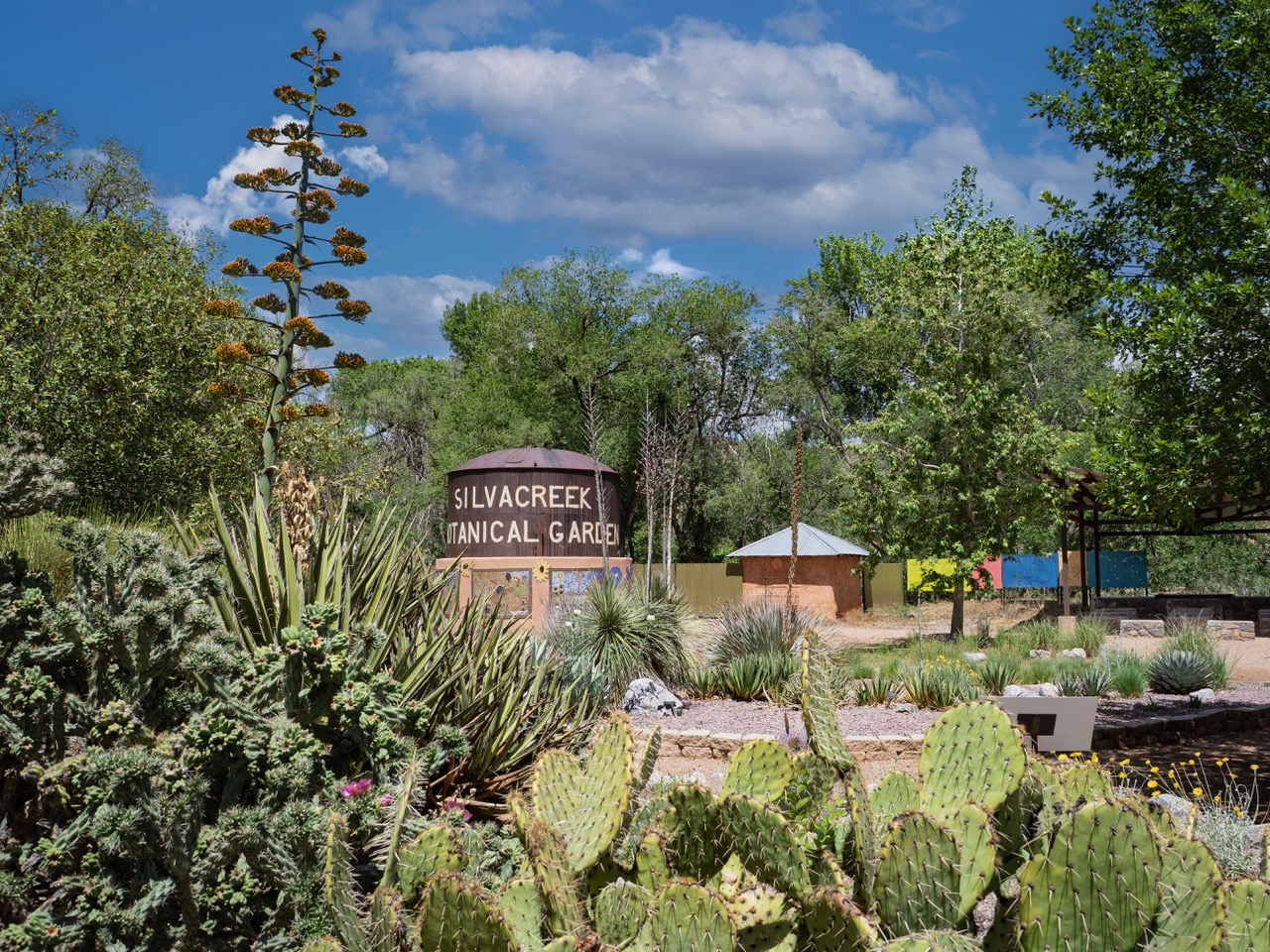 F 2 The Silva Creek Botanical Garden. Easy, less than one-half mile, no elevation gain, wheelchair accessible. Leaders: Marty Eberhardt and Naava Koenigsberg. This beautiful garden features over a hundred plant species native to the region. The tour will begin with a discussion of recent changes to the garden. We’ll cover the development of a Master Plan, fundraising, prioritizing which elements to create first, and bringing those elements to life. As we tour the garden, we’ll discuss its major interpretive and educational themes and observe how they have been incorporated into the design through signage, art, and curated plantings. We’ll also discuss plans for the future and how we’re beginning to use the garden for programs. Limit: 12
F 3 Home Garden Tour. Easy, very little walking, level terrain. Leaders: Ann Hedlund and Larry Ollivier. Nearly one-quarter acre of Gila/Mimbres native and edible plant gardens surrounds a historic 1906 home in downtown Silver City. Participants will see two one-hundred-year-old Arizona cypress trees, a native shrub hedgerow, and a small fruit tree orchard. The garden also features water harvesting from roof gutters and streets, gray-watering from a bathroom shower and washing machine; well water for the orchard and vegetable garden; a modern drip irrigation system with city water and hard/soft-scaping; wrought-iron garden gates; outdoor sculptures; and rock walls. Limit: 15
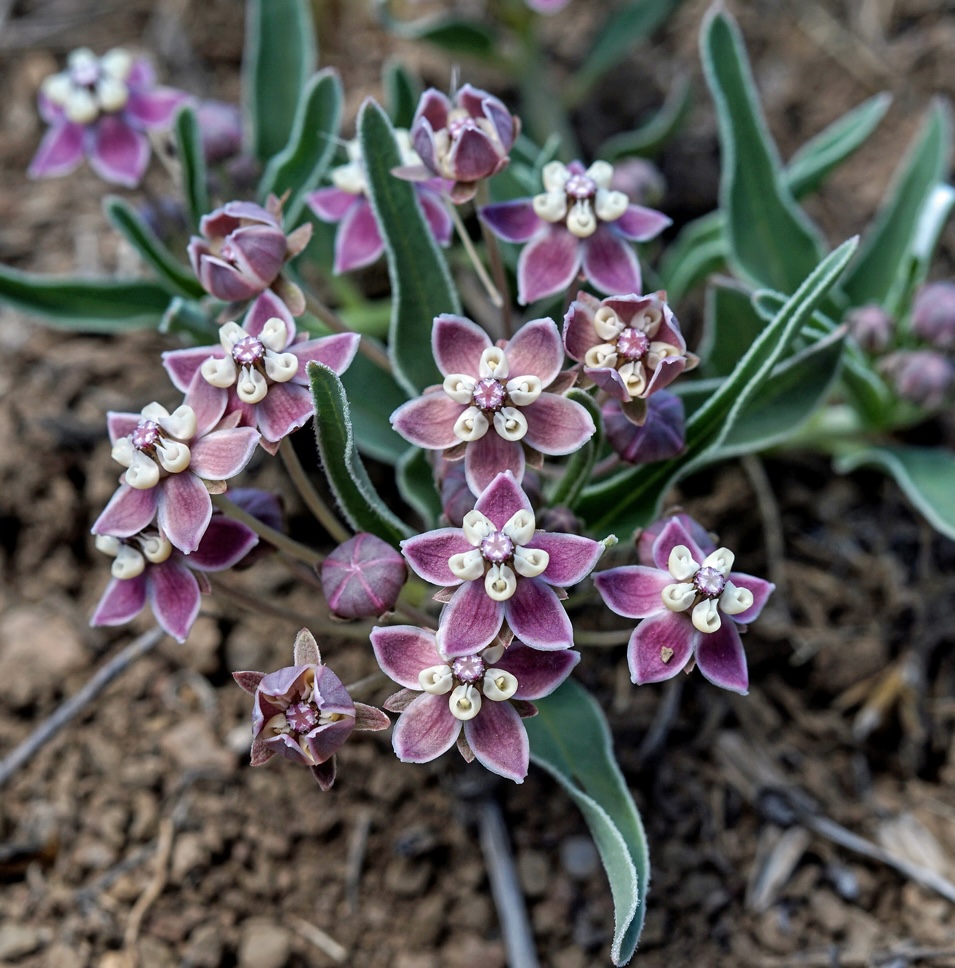 F 4 Silver City Flora Project Tour. Easy short walking and driving, mostly level terrain. Leaders: Angela Flanders and Jane Spinti. This tour will explore the “wilds” of Silver City with members of the Silver City Flora Project. Each person on this field trip will take notes on the plants they observe, and those notes will be used for the Flora of Silver City Project plant inventory. Participants are encouraged to carpool and can expect several stops within the city limits. Limit: 16
F 5 Regenerative Landscaping with Rainwater Harvesting Tour. Easy short walking, some driving. Leader: Asher Gelbart. During this field trip, participants will visit several rainwater-harvesting landscapes by car, featuring aesthetically crafted rainwater-harvesting earthworks, cistern storage systems, and graywater systems that support regenerative landscapes. Carpooling is encouraged. Limit: 18
F 6 New Earth Project/Pilot: Climate Change Mitigation Through Food Waste Reduction. Easy, some walking, level terrain. Leaders: Mike and Carol Ann Fugagli. This tour of the New Earth Project highlights its focus on carbon sequestration, food security, replacing fertilizers and pesticides, soil health, reducing food waste, and lowering methane emissions from landfills. The project uses Johnson-Su composting technology, a static, aerobic system that produces microbially diverse, fungus-rich compost. This compost can significantly enhance the soil’s ability to sequester carbon, retain water, fix nitrogen, and support plant growth and food production, while greatly reducing the need for and the high costs of nitrogen and phosphorus fertilizers and pesticides. Limit: 16
F 7 Plants of Saddle Rock Canyon. Easy/moderate, 3 miles with little elevation gain, with some rock scrambling and uneven ground. Leader: Cynthia Hunter. Saddle Rock Canyon features rugged rock walls and great vegetation. Expect to see huge old walnuts, netleaf hackberries, cottonwoods, native mulberries, and more. Farther upstream, participants will witness the success of the Gila National Forest’s restoration project, with native riparian trees and shrubs making a glorious comeback. Participants are advised to use 4WD drive vehicles or carpool with someone who has a 4WD drive. Binoculars are encouraged. Limit: 12
F 8 Botany for Beginners. Easy/moderate with possible stream crossings, about 2 miles, little elevation gain. Leader: Donna Stevens. This trip to Cherry Creek in the Pinos Altos range is designed for those who are just beginning to learn about plants in New Mexico. Topics will include common trees and shrubs, the basics of plant families, and tips on plant identification, all with limited botanical terminology. Plants will include common upland trees, riparian plants, and various herbaceous plants. A plant list will be provided. Limit: 12
F 9 Dead Man’s Canyon Botanical Sauntering Adventure. Easy/ moderate with some rock scrambling, about 2 miles, 400’ elevation gain. Leaders: Priscilla and Jon Titus. This will be a casual walk up a forested ravine in the Burro Mountains with ample room for random trailside explorations, botanical study, and admiration. The trail’s forest canopy features a combination of ponderosa and piñon pines with scattered junipers and oaks in the understory; a particularly lush and diverse mosaic of grasses, forbs, ferns, cacti, and shrubs; and a wide variety of wildflowers. Limit: 12
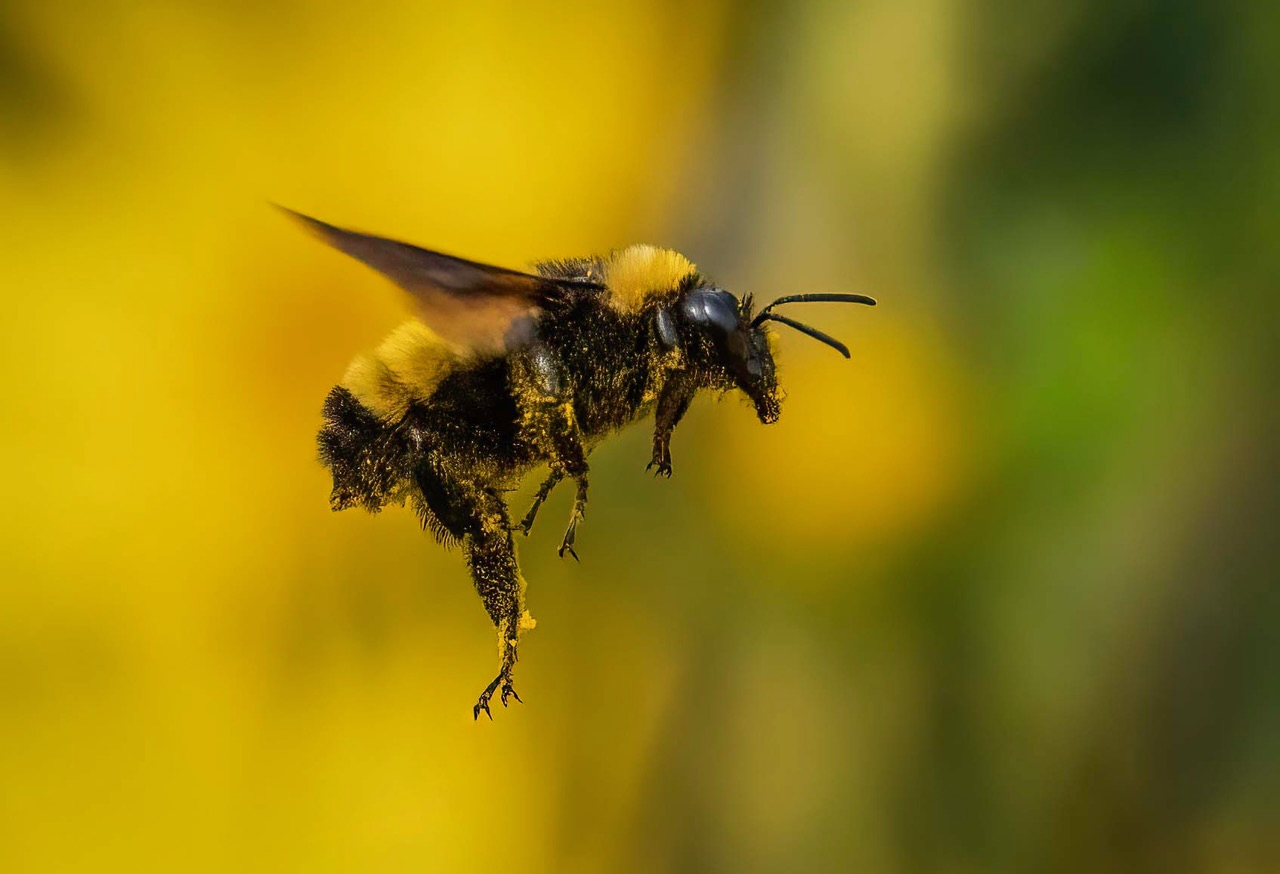 F 10 Bumble Bee Atlas Field Training. Easy/moderate, under 2 miles. Leader: Kaitlin Haase. Learn how to catch, photograph, and release bumble bees as part of a community science initiative to learn more about where these species are currently found, which habitats they’re using, and which flowers they’re relying on. This important data will inform on-the-ground conservation action. Kaitlin will demonstrate different bee-catching techniques, how to chill and photograph bumble bees, and practice bumble bee and flower ID in the field to prepare you for your own NM Bumble Bee Atlas surveys. If you have an insect net, a clipboard, and a good macro camera (smartphones typically work!), please bring them. Limit: 15
F 11 Hiking San Vicente Creek Trail and Open Space. Easy/moderate, about 4 miles, mostly level. Leaders: Alesia Hallmark and Scott Zager. This urban hike follows along the San Vicente Creek, upstream through a valley gorge, around a loop on the adjacent bluffs, and returns. They will traverse two important plant community types in Southwest New Mexico: Cottonwood Bosque Forest and Chihuahuan Desert Grassland. Hikers might also see several of the over 200 bird species, as well as reptiles, fish, and amphibians, along this popular trail. Limit: 20
 F 12 The Flora of Signal Peak. Moderate, about 1 mile, gentle elevation gain. Leaders: Don and Wendy Graves. This field trip will explore a magnificent display of native plants, color, pollinators, and birds, and experience exceptional views near the top of Signal Peak. On the way to the top, where the walk begins, we will travel through a landscape dramatically altered by the 2025 Gila-area Trout fire and earlier fires and see the changes that have occurred. Limit: 12
F 13 Iron Bridge Conservation Area. Moderate, 1 Mile. Leader: Martha Cooper. This area is part of The Nature Conservancy’s Gila River Preserve, offering the opportunity to hike around the complex floodplain and explore secondary channels. Secondary channels, small side channels that form during high flows, significantly improve conditions for native plants such as cottonwoods, willows, and other groundwater-dependent vegetation. Areas near secondary channels consistently maintain shallower groundwater, which is critical for native plant survival during prolonged dry periods. On this hike, we will explore secondary channels, measure the depth to groundwater, and look for beaver activity along the river. Limit: 15
F 14 Forest Drought Stress and Tree Mortality. Uneven forest terrain, with common trip hazards. Leaders: Victor Lucero, Craig Allen, and Tom Zegler. This field trip in the Gila National Forest will visit sites with conifers at various stages of drought impact. Participants will learn about forest insect and disease management and how to identify different stress-related issues in conifers. Limit: 15
Photo credits: Crevice garden by Mike Kintgen. Silva Creek Botanical Garden photo by Elroy Limmer. Wheel Milkweed, an exciting discovery by the Floral Project, photo by Andrew Tree. American Bumble Bee photo by Elroy Limmer. Digger Bee (Anthophora spp.) on Globe Mallow (Sphaeralcea spp.) on Signal Peak, photo by Margie Gibson.